
Restoration Field Note No. 1
Reduced Seed Availability During the 2026 Summer Season: Implications for Habitat Restoration in the Eastern and Western Ghats
Biodiversity Conservation Trust (BCT)
Abstract
Native seed collection is a critical component of habitat restoration programs undertaken by the Biodiversity Conservation Trust (BCT). During the 2026 summer seed collection season, BCT observed a substantial decline in seed availability across several native plant species within restoration landscapes of the Eastern and Western Ghats. Species that typically produce abundant fruits and seeds exhibited poor fruiting and reduced seed maturation, limiting the quantity of seeds available for restoration activities.
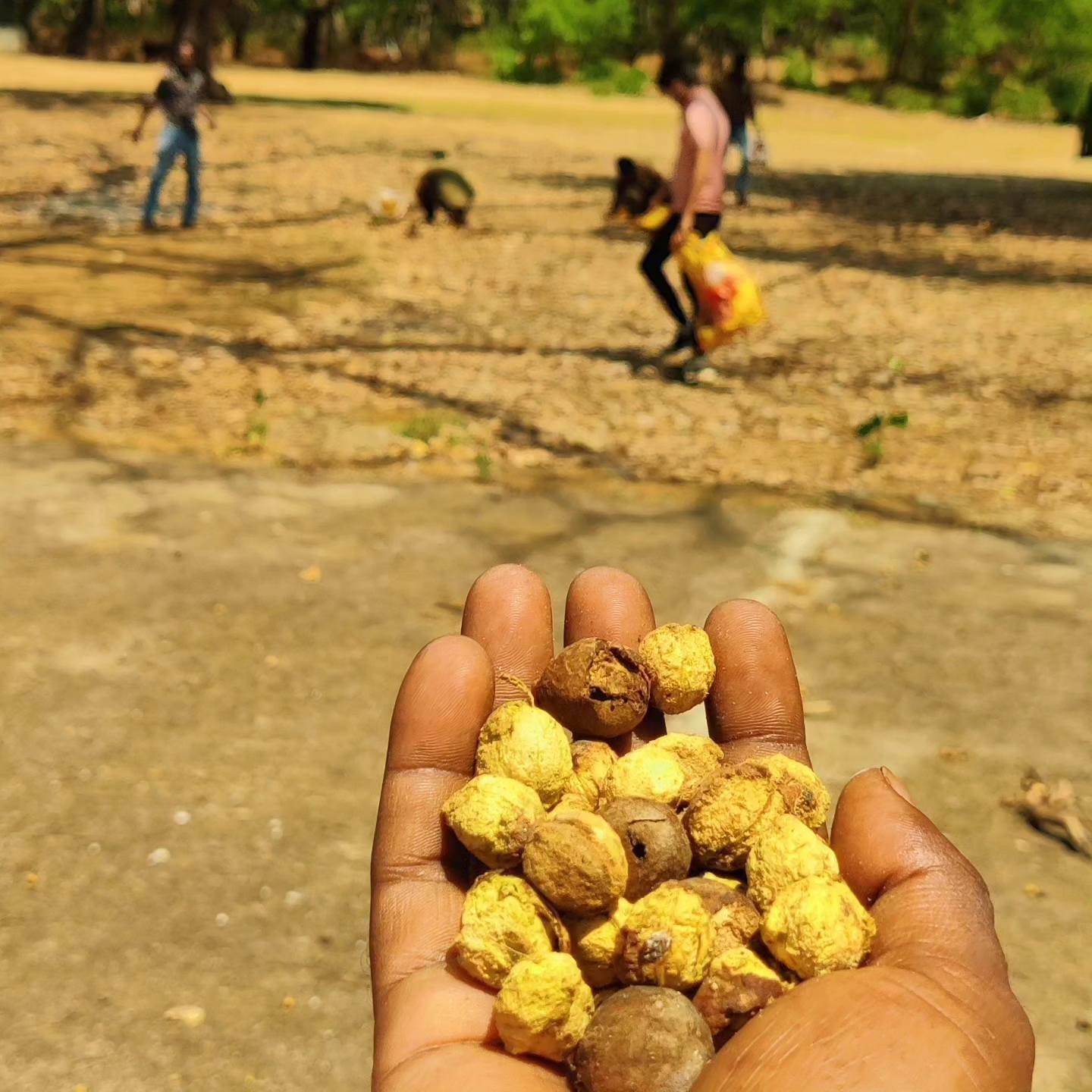
The most notable decline was observed in Indian Jujube (Ziziphus mauritiana), a species that normally serves as an important food source for wildlife and a valuable seed source for restoration efforts. This field note documents these observations and discusses their potential implications for ecological restoration and wildlife conservation.
Introduction
Native seed availability forms the foundation of successful habitat restoration. Restoration programs depend upon healthy populations of native plants producing sufficient quantities of viable seeds for nursery propagation, direct sowing, and natural regeneration.
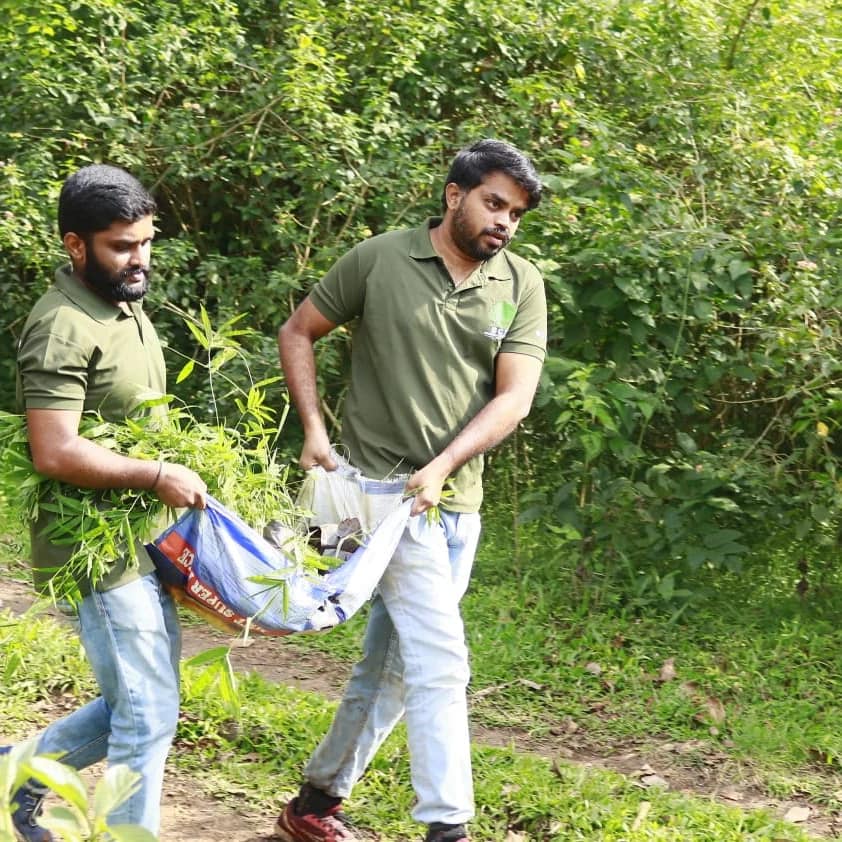
During the 2026 summer season, BCT teams conducting seed collection activities across restoration sites observed significantly lower fruit and seed production than expected. Reduced fruiting was observed across multiple native species, suggesting that seasonal climatic conditions may have influenced reproductive cycles.
Key Observations
- Lower-than-expected fruiting across several native tree and shrub species.
- Significant reduction in seed availability from Indian Jujube (Ziziphus mauritiana).
- Reduced quantities of mature seeds collected compared to previous seasons.
- Delays in fruit maturation and seed development in some species.
- Increased difficulty in sourcing adequate seeds for habitat restoration programs.
Ecological Implications
Poor seed production can influence ecosystem recovery in several ways:
- Reduced natural regeneration of native vegetation.
- Lower availability of fruits and seeds for wildlife.
- Limited seed resources for nursery propagation and restoration activities.
- Potential impacts on birds, mammals, and other seed-dependent species.
- Increased vulnerability of restoration projects that depend on annual seed collection.
Restoration Implications
The observations highlight the need for:
- Long-term monitoring of flowering, fruiting, and seed production.
- Development of native seed banks to safeguard restoration resources.
- Identification and protection of high-yielding mother trees.
- Collection of surplus seeds during productive years.
- Climate-resilient restoration planning.
Conclusion
The 2026 seed collection season demonstrated how seasonal variability can directly affect habitat restoration efforts. Continued monitoring of native species phenology and strategic seed banking will be essential for ensuring a reliable supply of restoration material in future years.
BCT will continue documenting field observations to better understand the relationship between climatic conditions, seed production, and ecosystem restoration across the Eastern and Western Ghats.
Author
Biodiversity Conservation Trust (BCT)
Keywords
Habitat Restoration, Native Seeds, Eastern Ghats, Western Ghats, Ziziphus mauritiana, Phenology, Climate Variability, Ecological Restoration