Wild Life Conservation
- Home
- Wild Life Conservation
Wild Life Conservation
Wildlife Conservation Through Habitat Restoration
Restoring Natural Habitats to Reduce Human–Wildlife Conflict
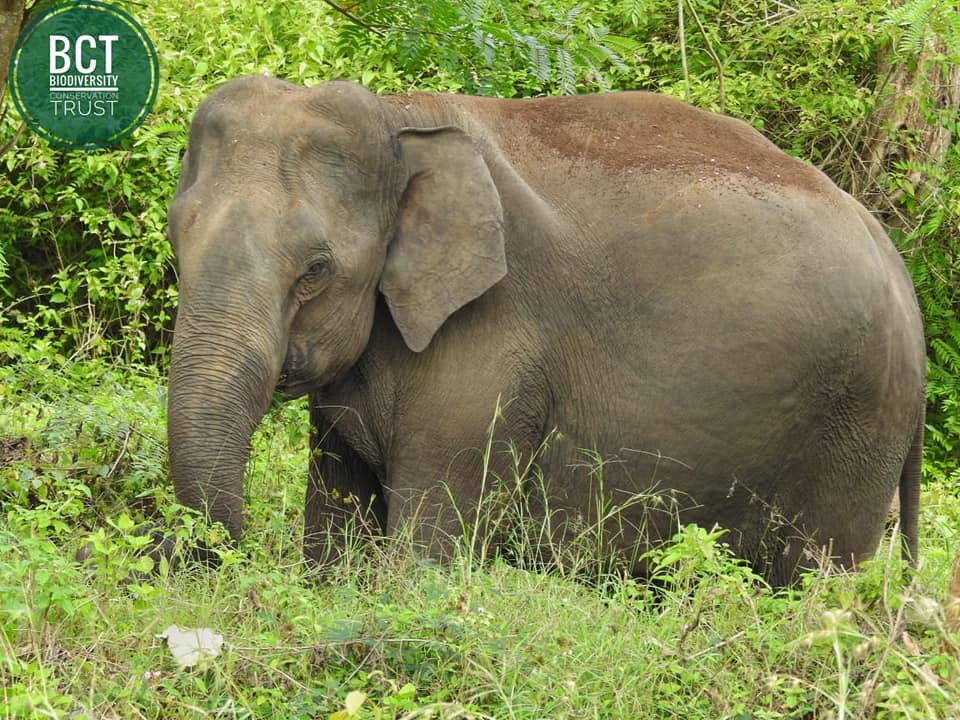
The Biodiversity Conservation Trust (BCT) believes that one of the most effective ways to conserve wildlife is by restoring the natural habitats that animals depend upon for food, water, shelter, and movement. When forests become degraded due to habitat loss, invasive species, forest fires, or human disturbances, wildlife is often forced to move outside forest boundaries in search of resources, increasing the risk of human–wildlife conflict.
Through habitat restoration, BCT works to improve the ecological health of forests across the Eastern and Western Ghats, ensuring that wildlife can meet its needs within natural ecosystems.
Our Approach
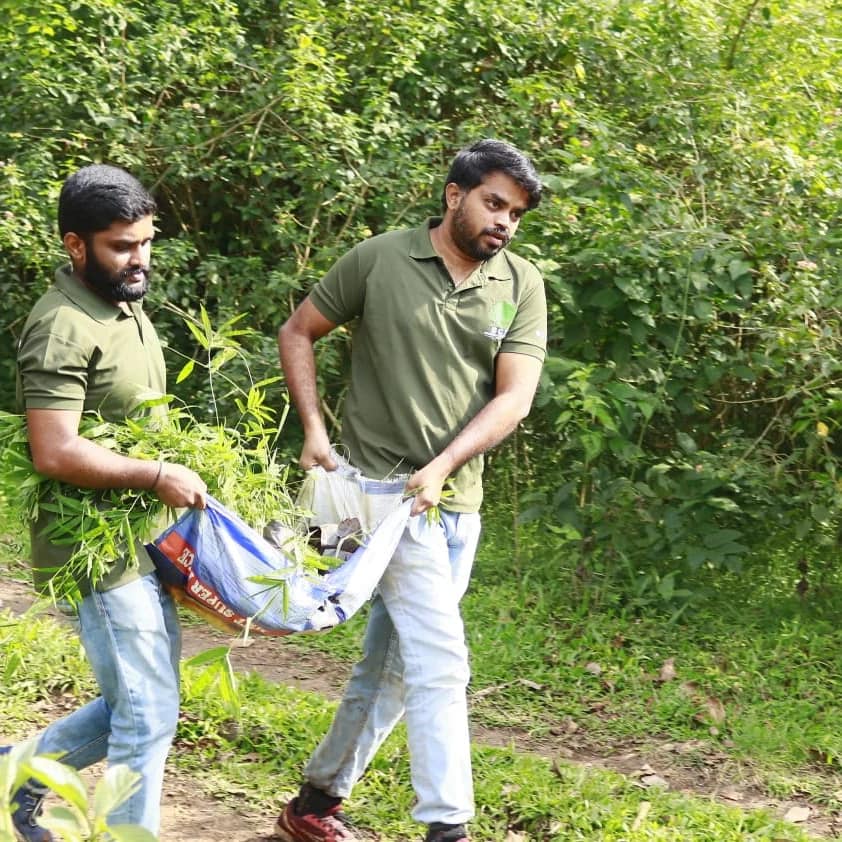
BCT focuses on restoring degraded habitats by:
- Removing invasive plant species that suppress native vegetation.
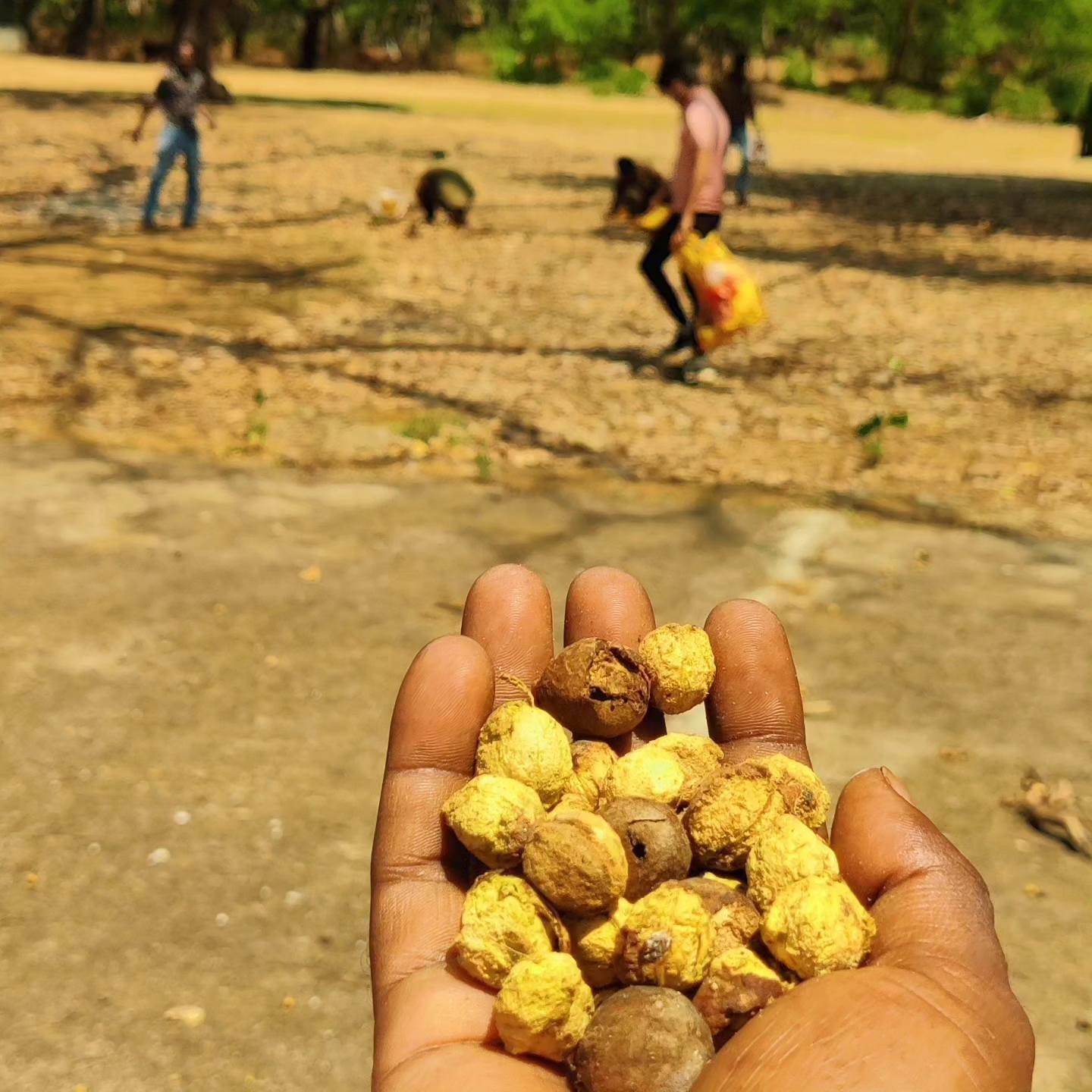
- Planting native fruiting, fodder, and shade-giving tree species.
- Restoring grasslands that support herbivores.
- Enhancing water availability through ecosystem restoration.
- Promoting natural regeneration of native vegetation.
- Strengthening wildlife corridors between fragmented habitats.
- Supporting pollinators and seed dispersers that maintain healthy forests.
Why Habitat Restoration Matters
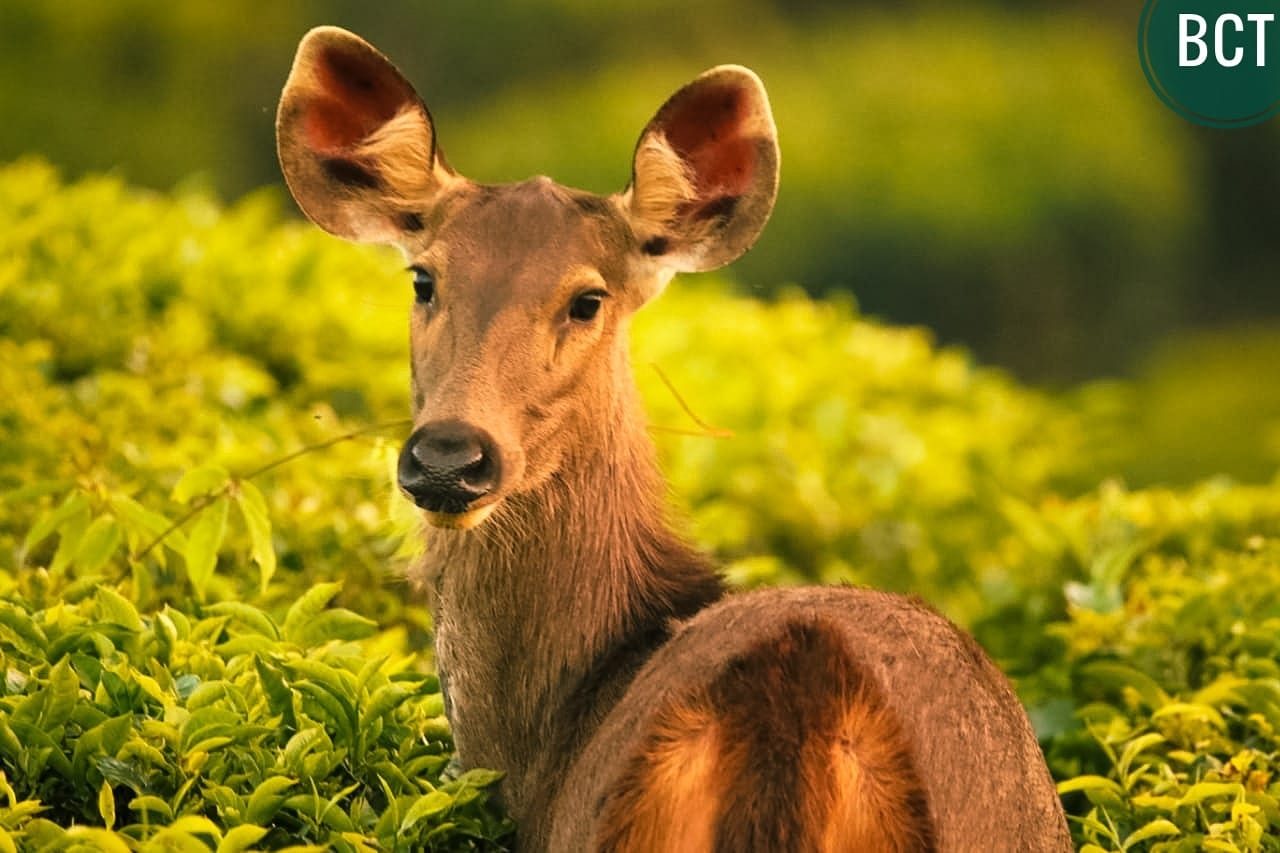
Healthy forests provide abundant food and shelter for wildlife. Native trees produce fruits, leaves, flowers, seeds, and browse that sustain a wide range of species, from insects and birds to deer, elephants, and primates.
When natural food resources are restored:
- Herbivores are less likely to move into agricultural lands.
- Wildlife can access food throughout the year.
- Predator-prey relationships remain balanced.
- Forest ecosystems become more resilient and self-sustaining.
- Human–wildlife conflicts can be reduced over time.
Benefits for Wildlife and Communities
Habitat restoration supports both conservation and local livelihoods by:
- Improving biodiversity and ecosystem health.
- Reducing pressure on agricultural fields.
- Enhancing watershed functions and water security.
- Increasing carbon storage and climate resilience.
- Strengthening coexistence between people and wildlife.
Our Vision
BCT envisions landscapes where thriving forests provide sufficient food, water, and shelter for wildlife, allowing animals to remain within their natural habitats while reducing conflict with neighboring communities. By restoring ecosystems today, we create safer and healthier environments for both wildlife and people.