Plastic Removal from Forest Areas
- Home
- Plastic Removal from Forest Areas
Plastic Removal from Forest Areas
Plastic-Free Ghats Initiative
Removing Plastic Waste from the Eastern and Western Ghats to Protect Biodiversity, Water Sources, and Wildlife Corridors
The Eastern and Western Ghats are among India’s most important ecological landscapes, supporting rich biodiversity, endemic species, tiger and elephant corridors, and the headwaters of many rivers. The Western Ghats alone are recognized as a global biodiversity hotspot and contain over 30% of India’s plant and animal species despite covering less than 6% of the country’s land area.
Increasing tourism, pilgrimage activities, roadside waste disposal, and inadequate waste management have resulted in the accumulation of plastic waste across forests, streams, grasslands, and wildlife habitats. Plastic pollution threatens wildlife through ingestion and entanglement, contaminates freshwater systems, and breaks down into microplastics that persist in the environment for decades. Recent studies have detected microplastic contamination even in relatively remote ecosystems associated with the Western Ghats, highlighting the growing scale of the problem.
BCT’s Response
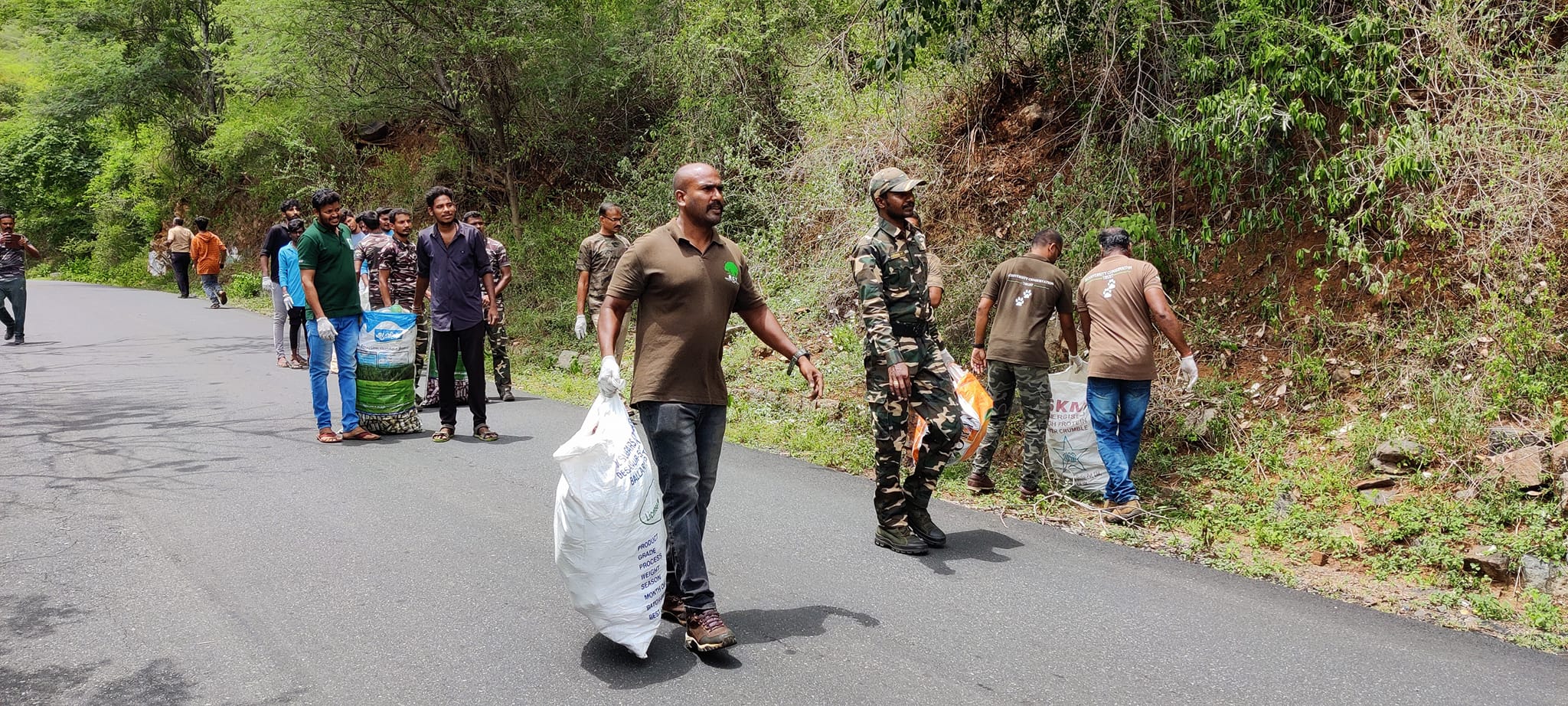
The Biodiversity Conservation Trust (BCT) works with local communities, schools, volunteers, forest-dependent communities, and government agencies to remove plastic waste from ecologically sensitive areas across the Eastern and Western Ghats.
Our activities include:
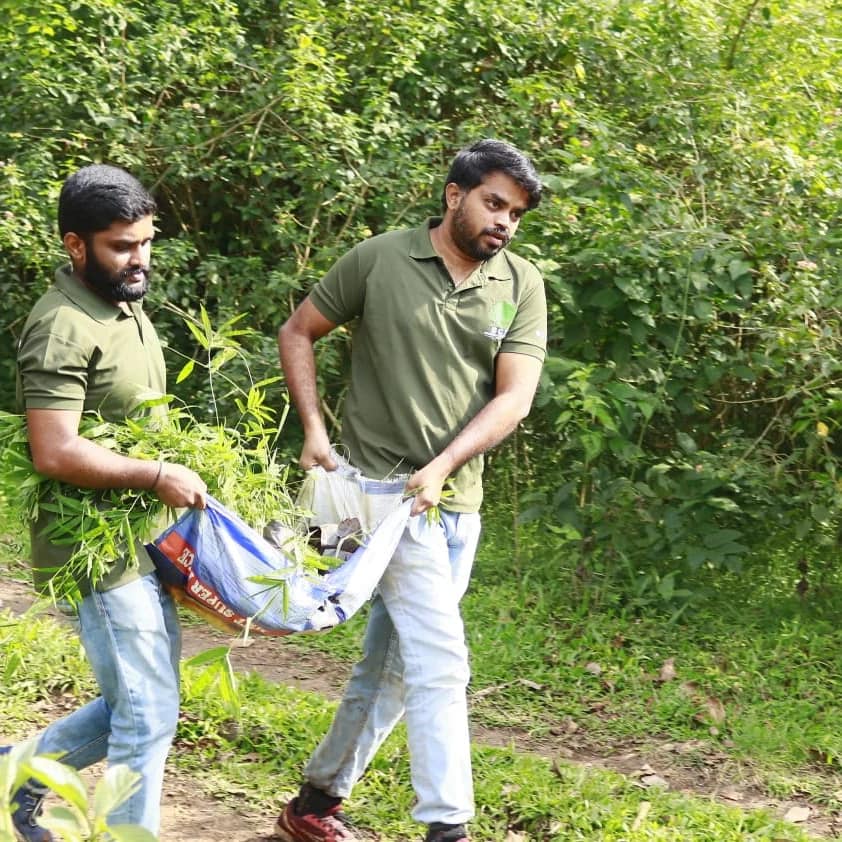
- Organizing community-led plastic clean-up drives in forests, riverbanks, trekking routes, and wildlife corridors.
- Removing single-use plastics from critical wildlife habitats and water bodies.
- Conducting awareness programs in villages, schools, and eco-tourism destinations.
- Establishing waste segregation and recycling systems in collaboration with local stakeholders.
- Promoting responsible tourism and “Carry In – Carry Out” waste practices.
- Monitoring plastic accumulation hotspots and documenting environmental impacts.
- Engaging youth volunteers as conservation ambassadors for long-term behavioral change.
Expected Impact
By reducing plastic pollution, BCT aims to:
- Protect wildlife from ingestion and entanglement hazards.
- Improve the health of rivers, streams, and watersheds originating in the Ghats.
- Restore natural habitats for native flora and fauna.
- Reduce microplastic contamination in sensitive ecosystems.
- Strengthen community stewardship of forests and protected areas.
- Support long-term conservation of biodiversity hotspots and wildlife corridors