Research & Publications
- Home
- Research & Publications
Learning from the field. Building evidence for conservation.
At BCT, we believe that effective conservation must be guided by knowledge and evidence. Our work is rooted in field experience, community knowledge, scientific observation, and continuous learning.
We conduct and support research that helps us better understand ecosystems, biodiversity, natural resources, and the relationship between communities and the landscapes they depend on.
Our research focuses on generating practical knowledge that can support biodiversity conservation, ecosystem restoration, sustainable livelihoods, and long-term community stewardship of natural resources.
Our Research Approach
BCT combines scientific methods with knowledge from local communities and field practitioners.
We work to understand:
- Changes in biodiversity and ecosystems
- Threats to native species and habitats
- Forest and landscape restoration
- Soil, water and ecosystem health
- Human–nature relationships
- Sustainable use of natural resources
- Community-based conservation practices
- Livelihoods linked to natural resources
- Climate and environmental changes
- Conservation outcomes and impact
Where appropriate, we collaborate with researchers, universities, government institutions, conservation organisations, and local communities to strengthen the quality and relevance of our research.
Current Research Topics
Termite Fodder Ecology
Understanding how termites use plant biomass and contribute to ecosystem processes
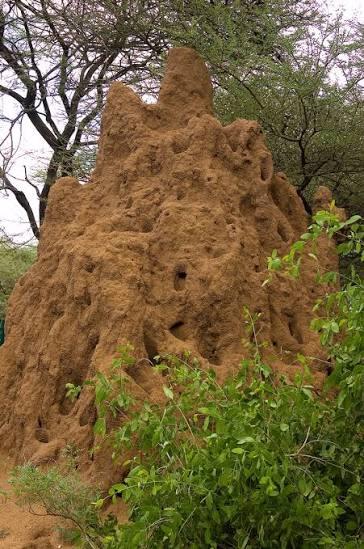
BCT is currently studying the relationship between termites and plant-based organic matter, with a focus on understanding how different types of biomass are used by termites and how their activity influences ecological processes.
Termites play an important role in the decomposition of plant material and the cycling of nutrients within ecosystems. Their feeding and nesting activities can influence soil structure, organic matter decomposition and nutrient availability.
The research aims to understand:
- What types of plant material are preferred by different termite groups
- How termite feeding varies with the type and quality of plant biomass
- The role of termites in breaking down dry leaves, crop residues and other organic material
- How termite activity contributes to nutrient cycling and soil processes
- The relationship between termites, vegetation and soil conditions
- How changes in available plant biomass may influence termite communities
From field observation to ecological understanding
The study combines field observations with controlled investigations to understand termite–plant interactions and their ecological significance.
The findings may help improve our understanding of decomposition, soil health, nutrient cycling and the role of termites in maintaining ecosystem functions.
Research status: Ongoing
Research focus: Isoptera | Termite ecology | Decomposition | Plant biomass | Soil health | Nutrient cycling