Habitat Restoration
- Home
- Habitat Restoration
Habitat Restoration
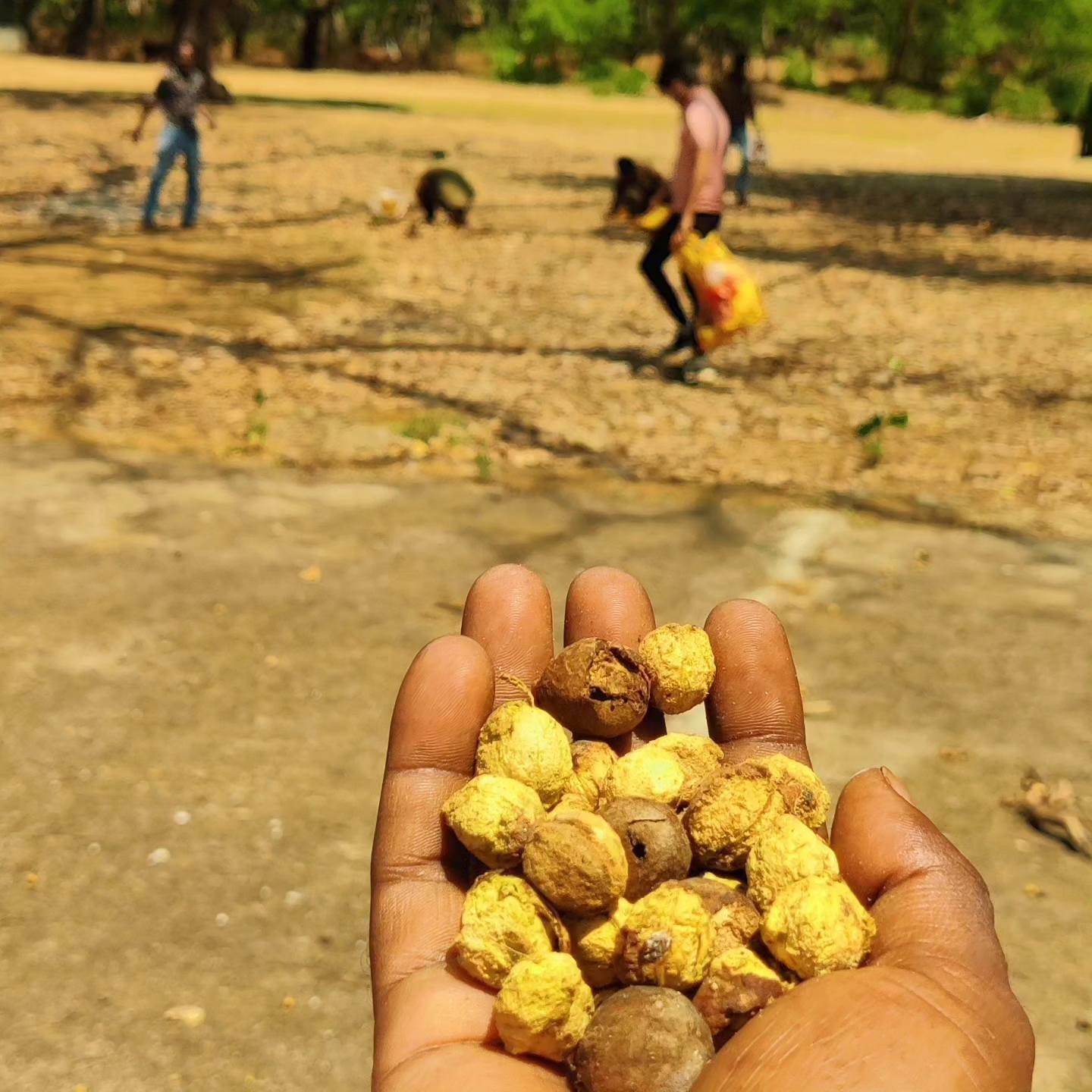
Native Seed Collection for Habitat Restoration
Restoring Forests Through Native Seeds
Healthy forests begin with native seeds. The Biodiversity Conservation Trust (BCT) collects, conserves, and propagates seeds from native tree, shrub, grass, and climber species across the Eastern and Western Ghats to support habitat restoration and ecological recovery.
Many degraded landscapes have lost their natural ability to regenerate due to invasive species, habitat fragmentation, overgrazing, and human disturbances. By collecting seeds from healthy native forests and propagating them in nurseries, BCT helps restore the plant diversity that forms the foundation of resilient ecosystems.
Our Approach
BCT follows a science-based and community-driven approach to seed collection:
- Identification of native and ecologically important species.
- Collection of mature seeds from healthy parent trees across diverse habitats.
- Documentation of species, collection locations, and fruiting seasons.
- Seed cleaning, processing, and storage under appropriate conditions.
- Establishment of native seed banks for long-term conservation.
- Propagation of seedlings for restoration projects.
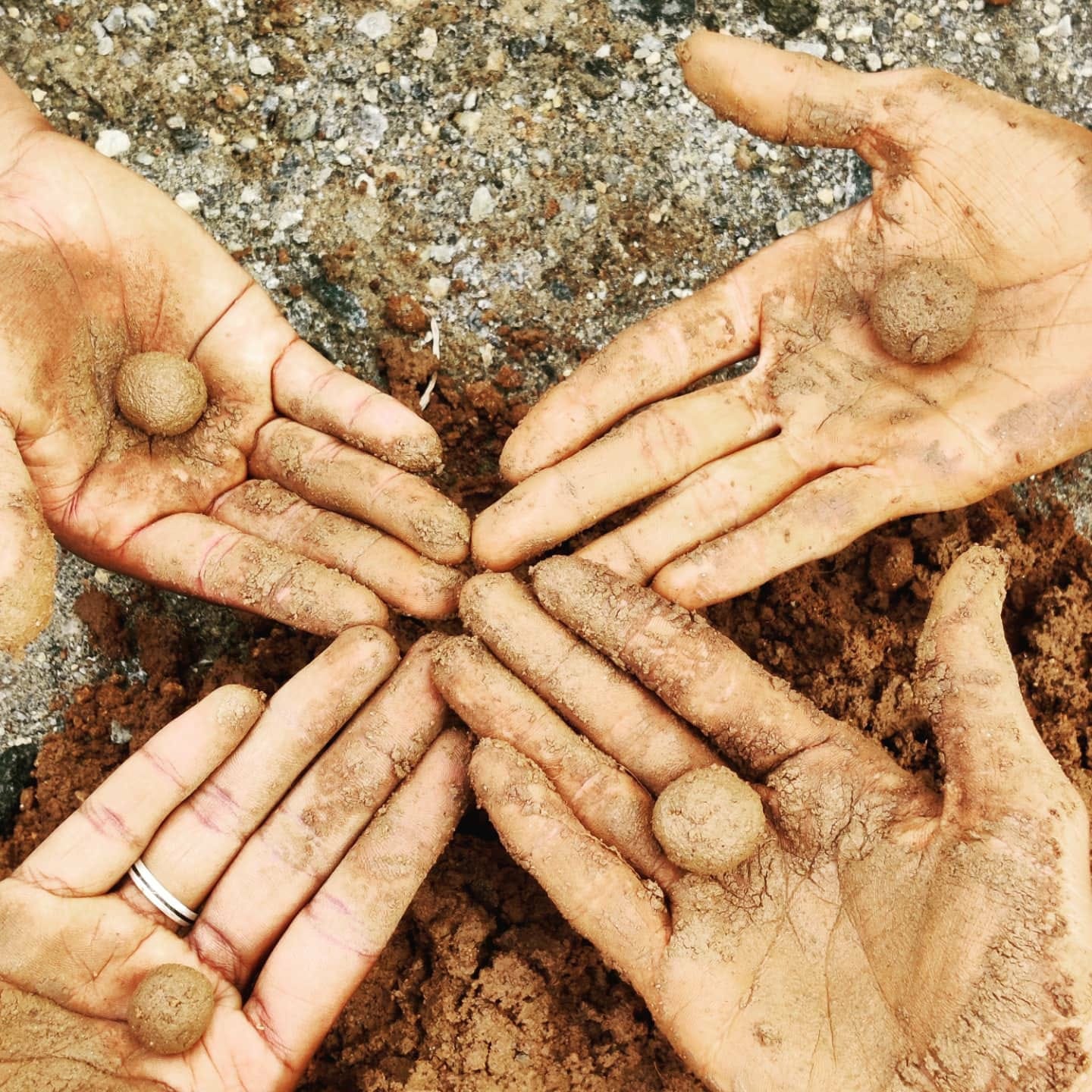
- Direct seeding and seed ball initiatives in suitable restoration sites.
Special emphasis is given to species that provide food, shelter, and nesting resources for wildlife, including fruit-bearing trees, pollinator-friendly plants, and native grasses essential for herbivores.
Supporting Biodiversity Recovery
Native seed collection plays a crucial role in:
- Restoring degraded forests and grasslands.
- Enhancing habitat quality for wildlife.
- Conserving local genetic diversity.
- Improving soil stability and water retention.
- Increasing carbon sequestration and climate resilience.
- Re-establishing ecological interactions between plants, pollinators, birds, and mammals.
Community Participation
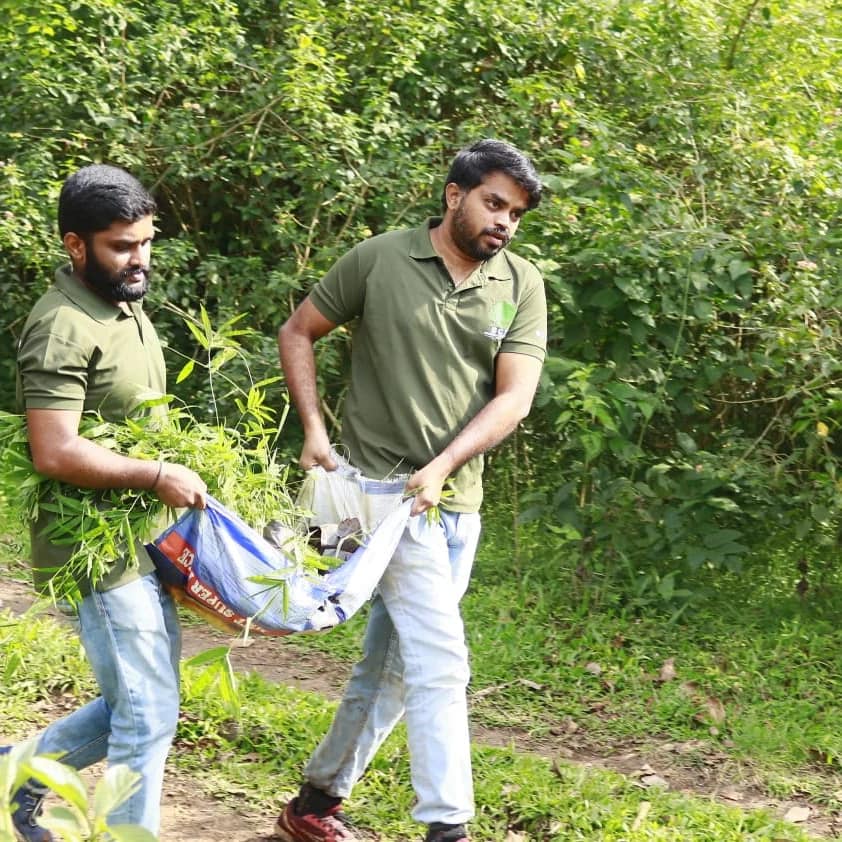
BCT actively engages local communities, indigenous knowledge holders, students, and volunteers in seed collection and restoration activities. These efforts not only contribute to ecosystem recovery but also foster environmental stewardship and awareness.